
Commodities Trading: Understanding the Markets That Power the World
What Are Commodities?
Commodities are the raw inputs that power cities, feed populations, and drive manufacturing. As tangible assets, they offer a stark contrast to the abstract world of equities, providing a direct link to the physical supply chain. Trading commodities are seen as the engine room of global markets and they fall into three main categories:
- Energy (oil, natural gas)
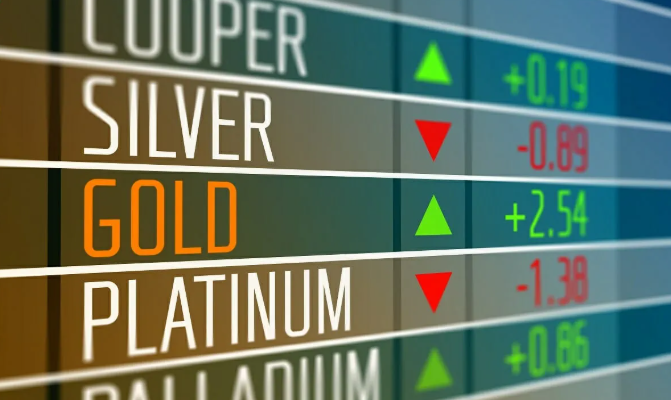
- Metals (gold, silver, copper)
- Agriculture (wheat, corn, coffee)
These markets form the foundation of the global economy.
What Drives Commodity Prices? What moves the commodities market’s needle?
Commodity prices are mainly influenced by:
- Supply and demand - Natural disasters or labour strikes can instantly bottleneck production, causing price spikes.
- Weather and natural events
- Geopolitical tensions - Energy and grain markets often act as the first responders to international conflict
- Production and storage levels
- US Dollar inverse - Most commodities are priced in USD and so, a weaker dollar typically makes commodities cheaper and more attractive to global buyers.
It is important to note that energy commodities like oil are especially sensitive to political developments and global growth expectations.
Commodities and Inflation
Rising commodity prices often contribute to inflation, which can influence interest rates, currencies, and broader market sentiment. Commodities are the "building blocks" of inflation. When the cost of oil or wheat rises, the cost of living follows. For traders, holding commodity positions can act as a natural defense; as the purchasing power of currency drops, the price of the raw material usually climbs.
Why Trade Commodities? Beyond simple speculation, commodities serve as a powerful diversification tool. They often move in the opposite direction of stock markets, providing a "cushion" during equity sell-offs. By monitoring Metals Trading, traders can also spot early signals for broader currency shifts.
You can learn more on inflation in our blog. Trading commodities requires a "macro" mindset. By tracking the flow of oil, gold, and grain, you aren't just trading a ticker—you're trading the fundamental health of the global economy.
In summary, many traders use commodities to:
- Diversify portfolios
- Hedge against inflation
- Gain exposure to global macro trends
Understanding commodities also helps traders interpret movements in forex and metals markets. Best trade only work with brokers they can trust such as GivTrade, a brokerage that is comprehensively compliant, swift and secure.