

Gold Trading Explained: Why Gold Remains the Ultimate Safe Haven
Introduction
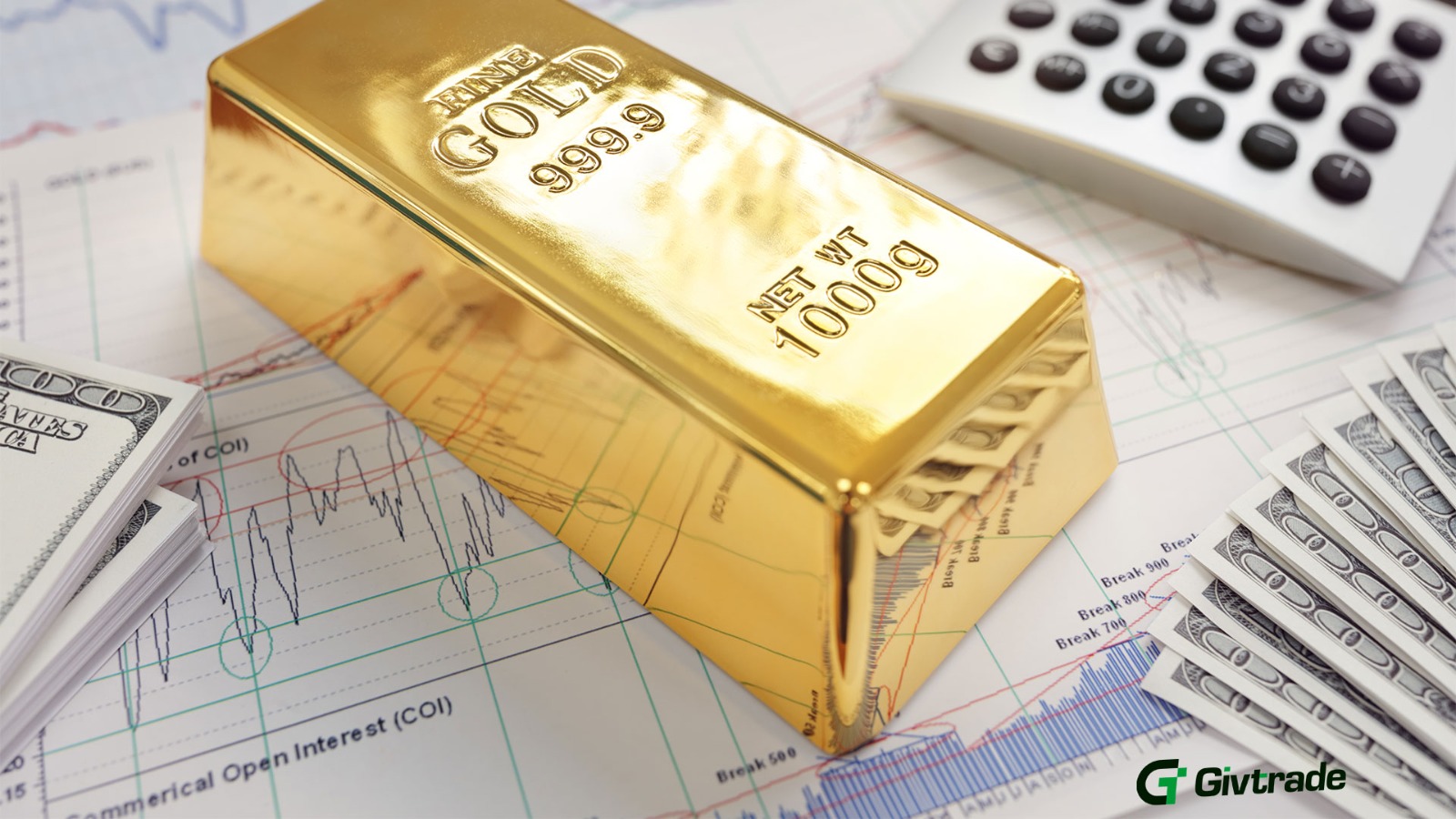
For millennia, gold has served as the bedrock of financial stability. Even in today’s hyper-digital trading environment, gold remains the ultimate store of value. Even in modern digital trading markets, gold continues to serve as a reliable store of value and a hedge against economic uncertainty. In 2026, as global markets navigate inflationary pressures and shifting geopolitical landscapes, gold continues to be the "insurance policy" for modern portfolios.
Traders actively monitor gold prices to protect their portfolios from inflation, currency fluctuations, and global instability.
If you're interested in exploring commodity trading, gold is usually a good starting place especially because it is stable and seasonally in high global demand. (You can learn more about commodities in our Commodity Trading Guide)
Why Gold Is Considered a Safe Haven
In financial terms, a "safe haven" is an asset expected to retain or increase its value during times of market turbulence. Gold is widely viewed as a defensive asset because it tends to retain value during economic downturns. Unlike traditional currencies, gold cannot be printed or artificially expanded by central banks, making it resistant to inflation pressures.
During periods of financial uncertainty, investors typically shift towards gold to preserve purchasing power and reduce exposure to volatile markets.
What Influences Gold Prices
As discussed in our blog, Why Forex Markets Move, several global factors directly impact gold price movements:
Interest Rates: Gold usually moves inversely to interest rates. When interest rates rise, gold can become less attractive since it does not generate yield. Lower interest rates often increase demand forgold.
U.S. Dollar Performance: Because gold is priced in U.S. dollars, a weaker dollar often makes gold cheaper for global buyers, increasing demand and pushing prices higher.
Global Economic and Political Stability: Geopolitical tensions, financial crises, and economic uncertainty often drive investors toward gold as a protective asset.
Central Bank Demand: Central banks frequently hold gold reserves. Large purchases or sales by central banks can influence market supply and demand.
How Traders Trade Gold
Modern traders can access gold markets through several instruments:
- Spot gold trading (XAU/USD): The most common way to trade, representing the current market price for immediate delivery
- Gold futures and options: Advanced contracts that allow traders to hedge against future price changes or use leverage to amplify potential gains.
- Gold Exchange-traded funds (ETFs) These funds track the price of gold and can be traded on stock exchanges like a regular share.
- Contracts for Difference (CFDs) Platforms like GivTrade allow you to speculate on gold price movements without owning the physical metal. This enables you to profit from both rising and falling markets (going "long" or "short").
Platforms such as GivTrade provide traders with access to gold price movements without requiring physical ownership, allowing flexible trading opportunities in both rising and falling markets.
Gold’s Role in Portfolio Diversification
Gold is commonly used to balance investment portfolios because it often moves differently from stocks and currencies. Adding gold exposure can help traders manage overall risk, especially during periods of market volatility.
Generally, gold continues to play a critical role in global financial markets. Its stability, liquidity, and historical performance make it one of the most trusted assets for traders and investors. Understanding gold price drivers helps traders make informed decisions while managing risk effectively.
To deepen your understanding of commodity markets, explore our Commodity Trading Guide for a broader overview of trading opportunities.