

Introduction To Technical Analysis In Forex
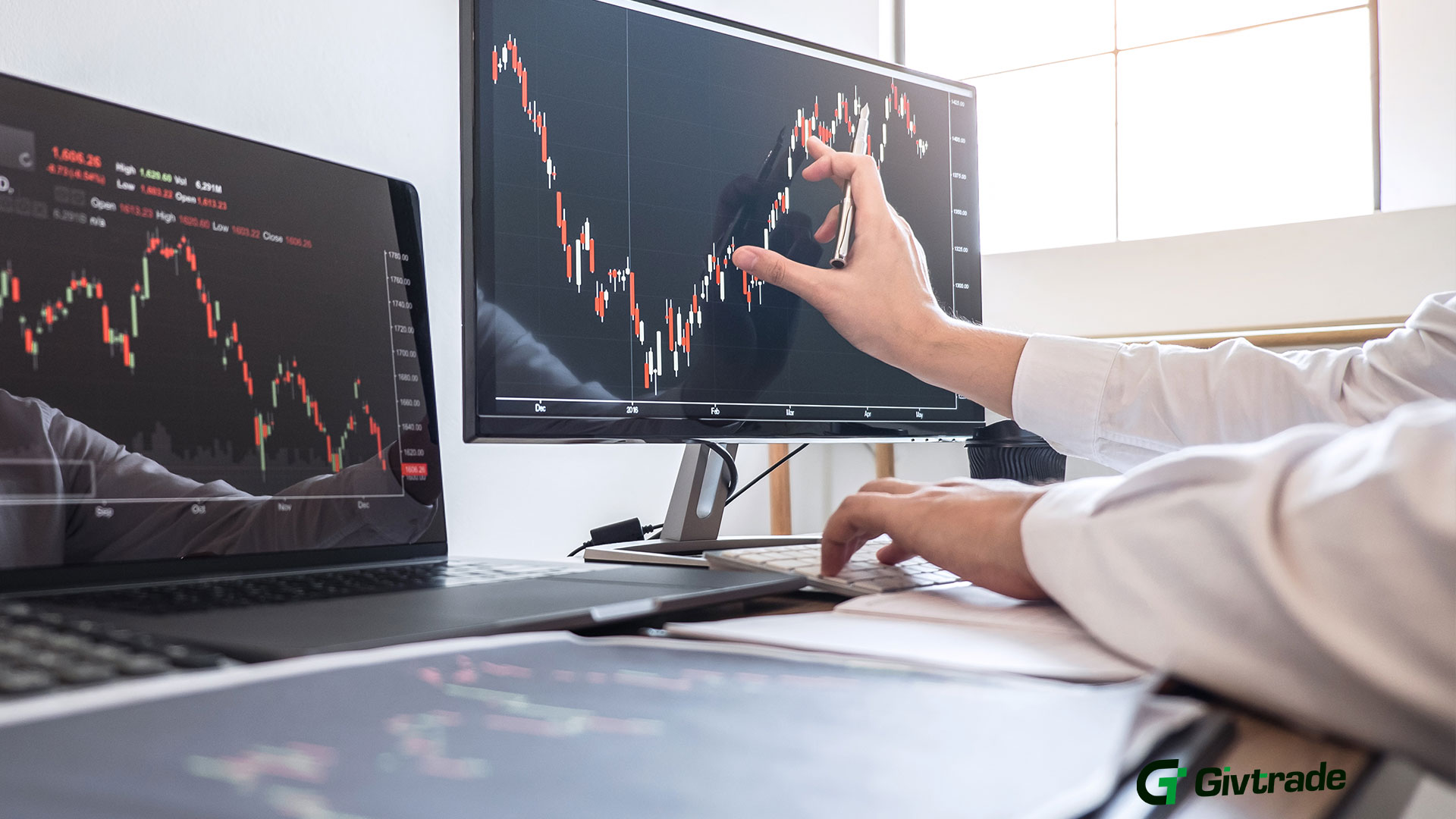
While some traders look at news headlines, others look at the "footprints" left behind by the market. This is the essence of Technical Analysis—the study of historical price action to identify patterns and predict future movements.
Technical analysis involves studying past price movements to predict future market direction. It is widely used across forex and financial markets.
If the market is a conversation, technical analysis is the skill of learning the language. By the end of this blog, you’ll understand how to use these visual tools to navigate the charts
The Three Pillars of Technical Analysis
Technical analysis is built on the belief that "history repeats itself." Traders focus on three main areas to find their edge:
1. Price Patterns - Recognizing recurring price formations such as triangles and breakouts.
Markets don't move in straight lines; they move in waves. By recognizing recurring shapes - like triangles, head and shoulders, or breakouts- traders can anticipate where the crowd is likely to push the price next. These patterns are easier to spot once you’ve mastered How to Read Forex Charts.
2. Technical Indicators
Indicators are mathematical calculations applied to price and volume. They act as "filters" to help you see through market noise. Common tools include:
- Moving Averages: Smooth out price data to identify the trend direction.
- RSI (Relative Strength Index): Measures momentum to tell you if a currency is "overbought" or "oversold."
- MACD: Helps traders spot changes in the strength, direction, and duration of a trend.
3. Support and Resistance
As we explored in Understanding Support and Resistance, these levels act as the market's floor and ceiling, providing the framework for every technical setup.
Technical vs Fundamental Analysis: What’s the Difference?
Think of Technical Analysis as looking at the effect (the price), while Fundamental Analysis looks at the cause (the economy).
Technical analysis focuses on price patterns, while fundamental analysis examines economic factors. You can learn more about fundamentals in Blog 11: Inflation (add link to blog).
- Technical: Studies charts, patterns, and indicators.
- Fundamental: Studies interest rates, GDP, and Inflation (Blog 11) to determine a currency's "true" value
Why Traders Use Technical Analysis
Using a technical approach removes the "guess work" and replaces it with a repeatable system. It allows you to:
- Identify Entry Opportunities: Knowing exactly when to pull the trigger.
- Improve Timing: Avoiding the trap of entering a trade too early or too late.
- Manage Risk: Using data to place precise stop-losses and take-profit levels.
The beauty of technical analysis is that you don't have to do the math yourself. GivTrade provides a suite of advanced charting tools and built-in indicators that do the heavy lifting for you.
With advanced charting and indicator tools, GivTrade enables traders to apply technical analysis strategies easily.