

Markets on Edge: AI Earnings in Focus as Trump’s New Global Tariffs Take Effect
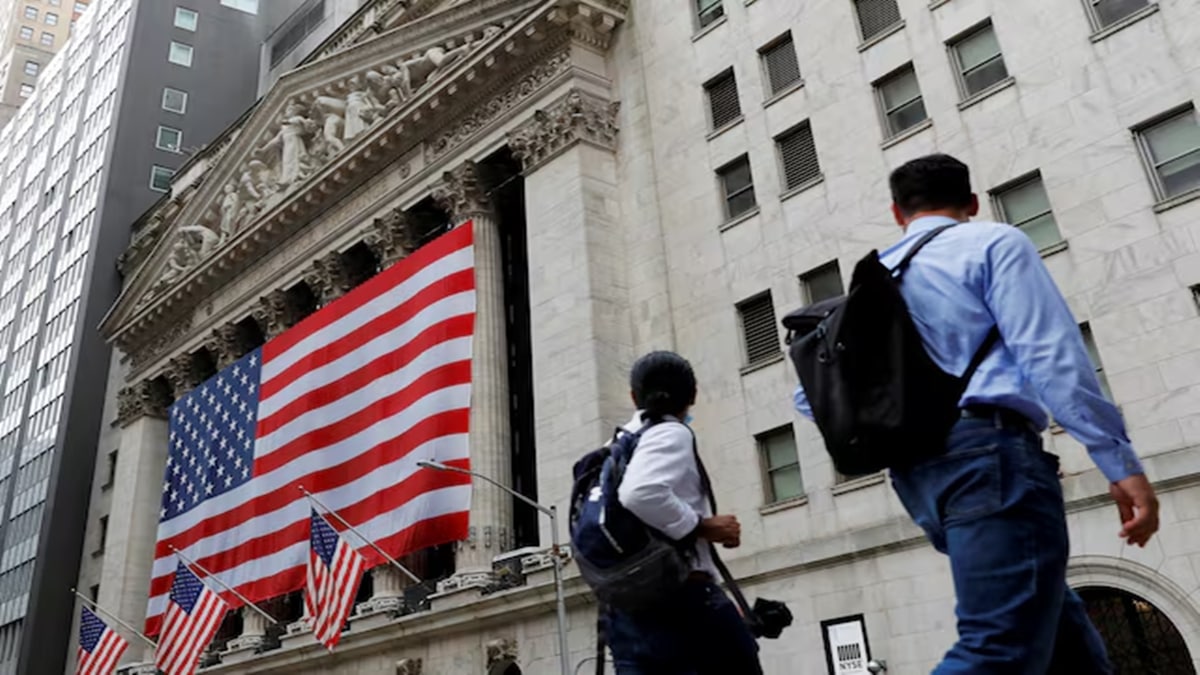
Global financial markets opened Tuesday on a cautious note as investors weighed the impact of newly implemented U.S. trade tariffs alongside anticipation surrounding key corporate earnings — particularly from artificial intelligence heavyweight Nvidia.
With macroeconomic uncertainty rising and geopolitical developments influencing commodity prices, traders are closely monitoring multiple catalysts that could shape market direction in the coming weeks.
U.S. Stock Futures Remain Muted Ahead of Major Earnings
U.S. equity futures traded slightly higher in early Tuesday sessions as investors positioned themselves ahead of a crucial week of corporate earnings announcements.
As of 03:03 ET (08:03 GMT):
- Dow Jones Futures rose by 47 points (0.1%)
- S&P 500 Futures gained 10 points (0.1%)
- Nasdaq 100 Futures added 38 points (0.2%)
Market sentiment remains cautious, with much of the focus turning toward upcoming results from Nvidia — widely regarded as a bellwether for the artificial intelligence sector. Strong performance from AI-linked firms has played a significant role in driving equity market gains over the past year, making this earnings season particularly critical for technology stocks.
Trump’s 10% Global Tariffs Now in Effect
In a significant development for global trade, U.S. President Donald Trump’s newly announced tariffs officially came into force at midnight on Tuesday at a baseline rate of 10%.
The decision follows last week’s U.S. Supreme Court ruling that struck down the administration’s proposed "reciprocal" tariffs, citing unlawful use of emergency economic powers to impose sweeping global surcharges.
While Trump had initially indicated tariffs could reach as high as 15%, the U.S. Customs and Border Protection messaging service confirmed the immediate implementation at the lower 10% level. However, reports suggest the White House is currently preparing a formal executive order that could raise the tariff rate to 15% in the near future.
These tariffs are being introduced under Section 122 of the Trade Act of 1974 and are scheduled to remain in place for a temporary period of 150 days. Congressional approval will ultimately determine whether the measures become permanent or are lifted after this timeframe.
The move has sparked renewed concerns about potential disruptions to global supply chains, trade relations, and inflationary pressures in international markets.
Oil Prices Approach Seven-Month High
Meanwhile, energy markets are reacting to geopolitical developments as oil prices climbed toward seven-month highs ahead of renewed nuclear negotiations between the United States and Iran later this week.
- Brent Crude rose 0.2% to $71.28 per barrel
- West Texas Intermediate (WTI) increased 0.3% to $66.51 per barrel
Both benchmarks are currently trading at levels not seen since early August 2025, reflecting tightening supply expectations and ongoing geopolitical risk premiums in global energy markets.
What Investors Should Watch Next
As the week unfolds, markets will be closely tracking:
- AI-sector earnings performance
- Developments in U.S. trade policy
- Congressional response to temporary tariffs
- U.S.-Iran nuclear negotiations
- Movement in global oil prices
With technology growth expectations, geopolitical tensions, and trade policies converging, volatility across equities, commodities, and currencies may increase in the near term.