

Strait of Hormuz: Why This Narrow Waterway Controls 20% of the World’s Oil
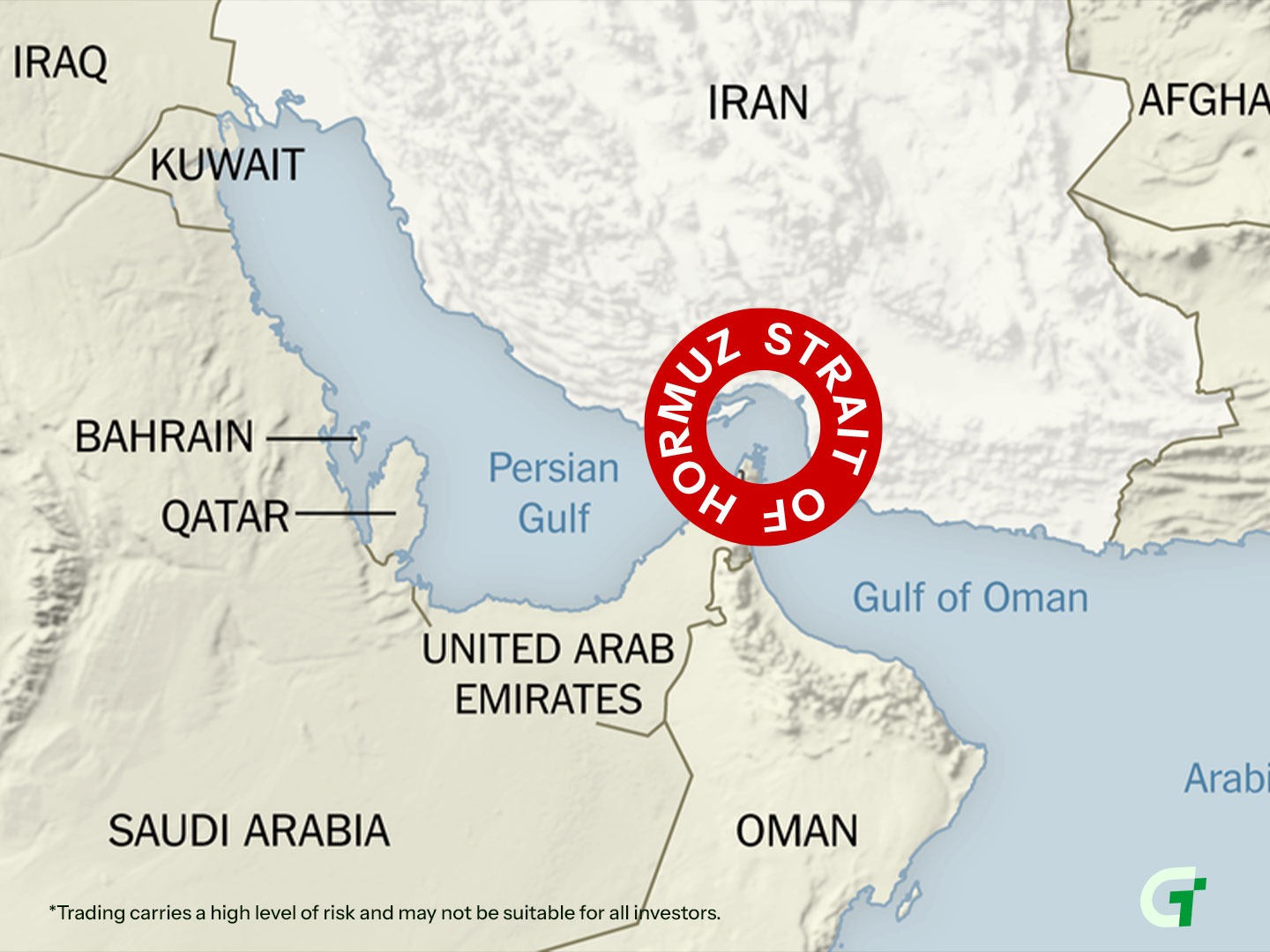
The Strait of Hormuz is one of the most critical energy corridors in the world.
Despite being only 33 kilometers wide, this narrow passage carries nearly 20% of the global oil supply every day, making it one of the most important chokepoints for global trade and energy markets.
For traders, investors, and policymakers, the stability of the Strait of Hormuz directly affects oil prices, shipping routes, and the global economy.
What Is the Strait of Hormuz?
The Strait of Hormuz is a strategic maritime passage located between Iran and Oman, linking the Persian Gulf to the Gulf of Oman and the wider Arabian Sea.
It serves as the primary export route for oil produced in major Gulf energy exporters such as:
- Saudi Arabia
- Iraq
- Kuwait
- Qatar
- United Arab Emirates
Every day, between 17 and 20 million barrels of oil pass through the Strait of Hormuz, representing roughly one fifth of the world’s total petroleum consumption.
This makes it the most important oil transit chokepoint on Earth.
Why the Strait of Hormuz Matters for Global Oil Markets
The global energy system is heavily dependent on the uninterrupted flow of oil through the Strait of Hormuz.
For several Gulf producers, more than 90% of oil exports rely on this route.
This dependency means that any disruption in the strait can immediately impact global energy markets, including:
- Oil prices
- Shipping insurance costs
- Tanker traffic
- Global supply chains
Energy markets tend to react quickly to geopolitical tensions in the region, as traders closely monitor the stability of this key trade route.
Which Countries Depend Most on Oil Through the Strait of Hormuz?
While the oil is produced in the Middle East, the largest consumers are located in Asia.
Countries that rely heavily on oil shipments through the Strait of Hormuz include:
- China
- India
- Japan
- South Korea
China alone imports roughly 10 million barrels of oil per day, with approximately 40% of its oil imports passing through the Strait of Hormuz.
Because of this dependence, disruptions in the strait can have immediate consequences for Asian energy security and global oil demand.
Are There Alternatives to the Strait of Hormuz?
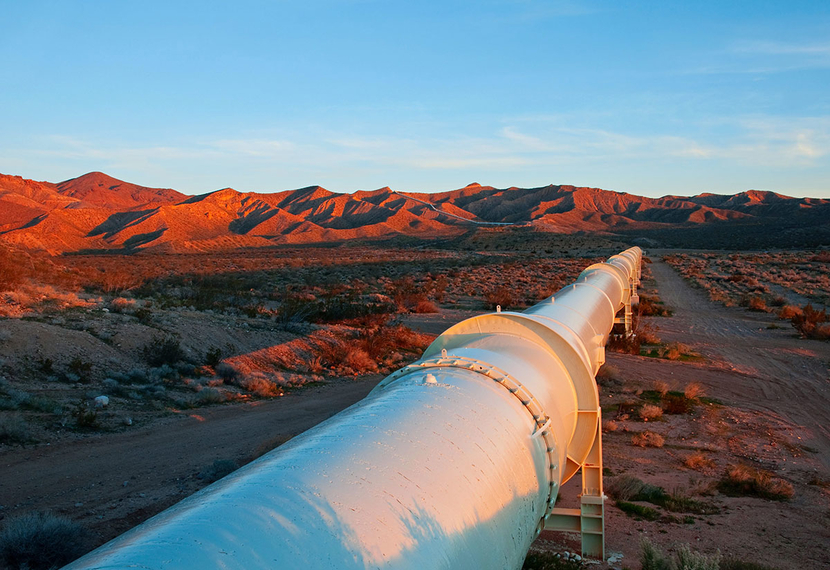
Several Gulf countries have invested in infrastructure designed to bypass the Strait of Hormuz.
For example:
- Saudi Arabia operates the East–West pipeline, capable of transporting up to 5 million barrels of oil per day from the Gulf to the Red Sea.
- United Arab Emirates operates a pipeline from Abu Dhabi to Fujairah, allowing roughly 1.8 million barrels per day to bypass the Strait of Hormuz.
However, these alternatives can only replace a portion of the oil transported through the strait, meaning the global energy market still relies heavily on this narrow passage.
What Happens to Oil Prices If the Strait of Hormuz Is Disrupted?
Because of its importance, the Strait of Hormuz is often described as the world’s most critical energy chokepoint.
Any disruption—whether due to geopolitical tensions, military conflict, or shipping risks—can quickly impact:
- Brent crude prices
- Global energy markets
- Inflation and fuel costs
- Shipping and insurance rates
Even the risk of disruption is often enough to cause volatility in oil markets.
Why Traders and Investors Watch the Strait of Hormuz
For traders in oil, commodities, and global markets, the Strait of Hormuz is more than just a geographic location.
It is a key indicator of geopolitical risk in energy markets.

Monitoring developments around the strait helps traders anticipate potential changes in:
- Oil supply
- Market volatility
- Commodity prices
- Global trade flows
Understanding how this critical chokepoint influences the global economy is essential for anyone following energy markets and macroeconomic trends.